Morbi et tellus imperdiet, aliquam nulla sed, dapibus erat. Aenean dapibus sem non purus venenatis vulputate. Donec accumsan eleifend blandit. Nullam auctor ligula

Get In Touch

Quick Email
info.help@gmail.com
  • Home |
  • Ramat Plant

Ramat Plant

Ramat Plant

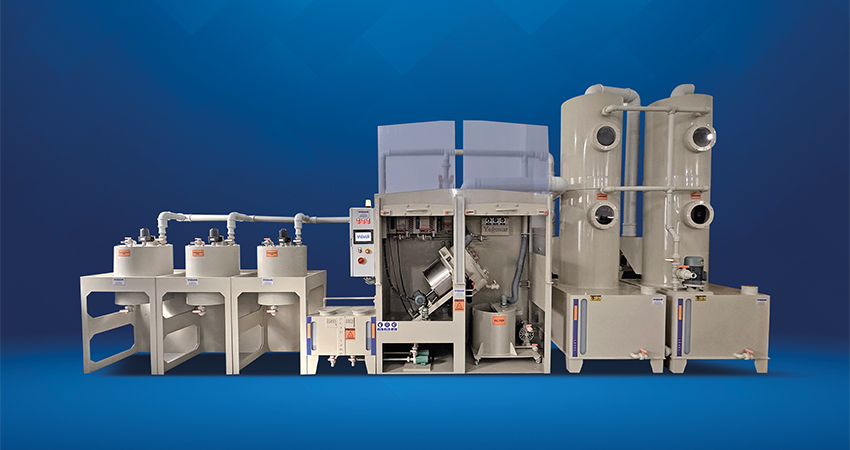
As Yağmur Machinery, we provide ramat plant solutions designed for the recovery of precious metal waste generated in the jewelry industry. A ramat plant is a specialized system that enables the collection and processing of production residues such as metal dust, shavings, polishing residues, filter waste, and other materials generated in jewelry workshops, allowing the recovery of valuable metals contained within these materials.


During jewelry manufacturing processes, even small amounts of metal loss can accumulate into significant economic value over time. Precious metals such as gold, silver, and platinum often remain in dust, polishing residues, and workshop waste generated during production. Ramat plants help minimize these losses by enabling the recovery of precious metals from these residues.

Ramat plants established by Yağmur Machinery are specially designed to ensure the controlled collection, separation, and processing of precious metal-containing waste generated in workshops and production areas. Through these systems, metal dust accumulated in the working environment, particles collected in filters, floor cleaning residues, and similar materials can be processed for precious metal recovery.

Benefits of the Ramat Plant

Frequently Asked Questions About the Ramat Plant

What is a Ramat Plant and what is it used for?

A ramat plant is a system designed to collect and process production residues such as metal dust, shavings, polishing residues, filter waste, and other materials generated in jewelry workshops. Through this system, precious metals like gold and silver contained in these residues can be recovered and returned to the production cycle.

Which businesses need a Ramat Plant?
What advantages does a Ramat Plant provide for businesses?
en_US